
Temporary Storage Containers for Home Remodels, Storm Damage, and Property Repairs

Updated: Aug 4
Home projects can quickly create a need for extra space. Whether a homeowner is remodeling a kitchen, replacing flooring, repairing storm damage, or dealing with unexpected property repairs, it can be difficult to know where to safely keep furniture, tools, appliances, boxes, and personal belongings during the process.
Construction schedules shift, inventory needs change, and remodel projects often require temporary storage that is secure, weather-resistant, and easy to access. That is where shipping container rentals can be a practical solution for businesses, contractors, retailers, and job site managers.

Shipping container rentals offer flexible duration options that can accommodate a wide range of commercial needs. Many businesses use containers during construction projects, retail remodels, equipment storage, seasonal inventory overflow, or temporary job site organization.
Whether a contractor needs extra space on a construction site or a large retail store is remodeling and needs a secure place to store fixtures, displays, supplies, or materials, a rental container can help keep operations moving.
Shipping container rentals offer a convenient temporary storage option for homeowners who want to keep their belongings close by. Instead of moving everything to an off-site storage unit, a container can be delivered directly to the home, allowing items to stay on the property, in the driveway, or nearby while work is being completed.
This can be especially helpful during remodels or repairs. When contractors need open space to work, furniture and household items often have to be moved out of the way. A storage container gives homeowners a secure, weather-resistant place to store those items without having to haul everything across town.
Containers are also useful after storms, roof leaks, water damage, or other property damage. If part of the home needs repairs, homeowners may need to move belongings quickly to protect them from further damage. Having a storage container on-site can make the cleanup and repair process easier by keeping important items close, organized, and protected.
Flexible rental options are helpful because home projects do not always follow an exact schedule. A remodel may take longer than expected, repairs may be delayed, or insurance work may require extra time. Month-to-month container rentals allow homeowners to keep the storage space for as long as they need it without overcommitting.

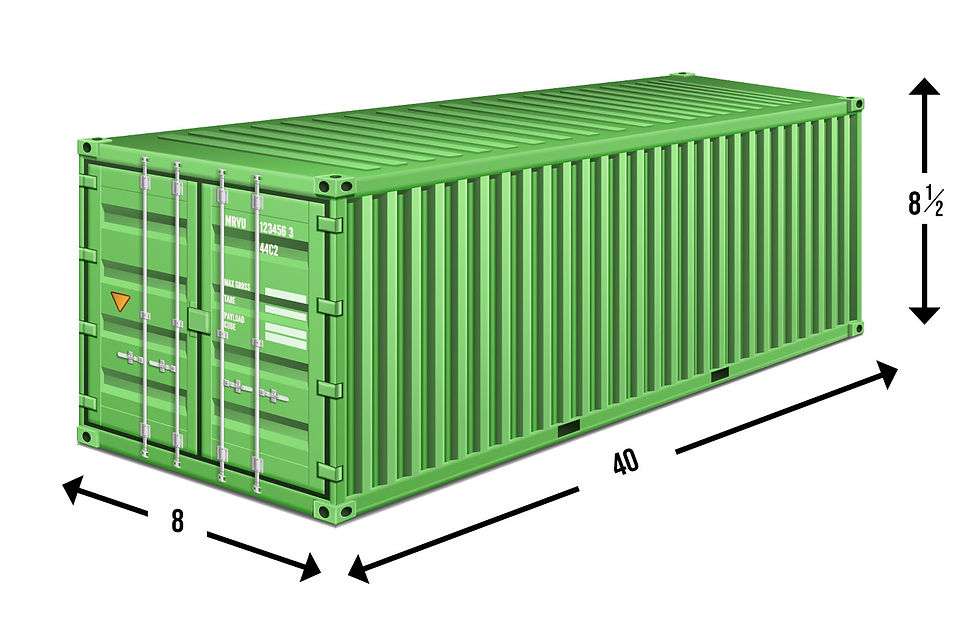
Cost Less Containers offers 20-foot and 40-foot containers for rent, sale, and rent-to-own in Greenville, Hunt County, and surrounding East Texas communities.
Whether you are remodeling, repairing storm damage, cleaning out a home, or simply need temporary storage on your property, a shipping container can give you the extra space you need right where you need it.
Your belongings should stay protected and within reach while your home is being repaired, remodeled, or restored.
Rental Costs and Pricing Models
Our pricing is updated weekly. Please go online:
https://www.costlesscontainers.com/rent
Total Expenses Consideration
When calculating total expenses for shipping container rentals, it’s vital to consider both initial costs and ongoing rental fees. Initial costs typically include the first month's rent along with delivery fees to get the container on site. After the first month, rental fees continue without additional charges unless you decide to extend the rental period.
Having a precise understanding of these costs helps ensure that your budget remains intact, allowing for better allocation of funds for other project-related expenses. Planning efficiently will enhance your project's overall financial management.
Duration Options
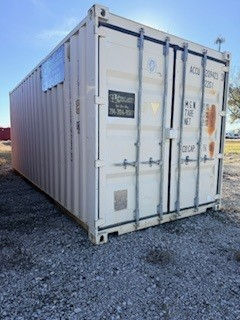
Shipping container rentals offer flexible duration options that can accommodate different project timelines. Most rental agreements allow for short-term leases, which can be particularly advantageous for quick-site developments or temporary projects.
For flexible and varied project needs, exploring shipping container rentals can be a strategic choice. Containers can usually be rented on a month-to-month basis, making it easy for businesses to adjust their plans as projects evolve. This flexibility supports medium to long-term projects as well, accommodating any shifts in construction deadlines or site needs.
Frequently Asked Questions
1. What types of shipping containers can I rent for construction purposes?
You can typically rent standard shipping containers, which come in sizes like 20-foot and 40-foot options. These containers are made of heavy-duty steel, ensuring durability and security for your construction site. Moreover, some providers offer customized containers with features such as shelving, windows, or enhanced locking systems, allowing for tailored solutions based on specific project needs.
2. Are there any additional fees or costs associated with renting shipping containers?
Yes, in addition to the monthly rental fee, you may incur additional costs such as delivery and pickup charges, which can vary based on distance. Always inquire about any potential fees upfront to avoid unexpected expenses.
4. What is the typical rental duration for shipping containers?
Rental durations for shipping containers can be quite flexible. Most companies offer month-to-month rentals, making it easy to adjust as project timelines change. For short-term projects, this can be particularly beneficial, allowing you to rent a container for as long as needed without committing to a prolonged lease.
5. How do shipping containers contribute to improving site organization?
Shipping containers help streamline construction site organization by providing a designated area for tools, equipment, and materials. This reduces clutter, facilitates better access to necessary items, and decreases the time spent searching for equipment. Enhanced organization not only boosts productivity but also contributes to a safer work environment. For more information, visit frequently asked questions.
6. Can I rent a shipping container for other uses beyond construction?
Yes, shipping containers serve various functions beyond construction. They can be used for temporary offices, mobile storage during events, or even as pop-up shops. Their versatility, security, and durability make them a favored choice for diverse applications, perfectly adaptable to different needs based on space and time requirements.
7. What are the environmental considerations for using shipping containers on construction sites?
Using shipping containers often promotes sustainability since they can be recycled and repurposed for different uses, reducing waste. They can also serve as eco-friendly storage solutions as they minimize the need for new materials for on-site structures. Additionally, using containers can potentially lower your project's carbon footprint by optimizing logistics and storage needs efficiently. For more information, visit frequently asked questions.


Great article! I completely agree that choosing the right construction solution can make a big difference in the overall cost, timeline, and durability of a project. Steel structures are especially useful for warehouses, industrial sheds, factories, and commercial buildings because they offer flexibility, faster installation, and long-term durability. For anyone planning a steel construction or pre-engineered building project in Pakistan, working with an experienced steel fabrication company can help ensure better planning and execution. I came across Silver Steel Mills while researching steel structures and PEB solutions in Pakistan, and their range of fabrication and construction services is worth checking out. Thanks for sharing these useful insights!
Great article! I completely agree that having on-site storage during a remodel or after storm damage is a total lifesaver. When we were dealing with some major repairs recently, keeping our furniture and belongings secure and weather-protected right in the driveway made the whole process so much less stressful than hauling everything to an off-site unit. The month-to-month flexibility you mentioned is definitely a huge plus, especially since construction schedules always seem to shift. For anyone planning a big project or needing temporary extra space, utilizing portable containers is absolutely the way to go. Thanks for sharing these helpful insights!